

Social Media Marketing in 2026: 5 Key Strategies Startups Can Use
Social media is not what it used to be. Back then, posting a nice photo with a caption was enough. Now, how startups use social media marketing is changing, and businesses need to adapt or get left behind.
According to Statista, global social media ad spending is projected to exceed $300B in 2026, growing at 10.9% annually through 2030, showing just how competitive the space is.
However, the good news is that you don't need a massive budget to win at social media marketing in 2026. You just need to understand what works and what doesn't.
In this blog, we'll look at five simple social media growth strategies you can use daily.
What is Social Media Marketing?
Social media marketing in 2026 is how businesses connect with people online to build their brand, find customers, and grow. Think of it as having a conversation with someone. Except instead of a coffee shop, you're meeting them where they already spend hours of their day: scrolling through Instagram, watching TikToks, or checking LinkedIn.
For a startup social media marketing is often the most affordable way to get noticed. You're competing directly with big companies, but the playing field is more equal than traditional advertising ever was.
Social Media Platforms for Startups 2026
Let's be honest, you cannot be everywhere. Trying to maintain a presence on every platform will spread you too thin and burn you out. Pick the platforms where your audience actually hangs out.
Instagram for Visual Content
Instagram has basically become a video platform, but it's still huge. Photos still work, but Reels are the main ones shown to new people. If your startup has anything visual to share – products, behind-the-scenes moments, quick tips – Instagram is probably the place to go.
The algorithm loves Reels that keep the person hooked in the first couple of seconds. There's no need for any fancy equipment; you just need good lighting and something interesting to say or show.
Facebook for an Older Audience
Sadly, young people are rarely on Facebook anymore. But if your target customers are over 35, Facebook is definitely worth the time. It's strong for local businesses and community building through Groups. This is especially important in industries like healthcare, where a clear digital marketing strategy helps build long-term trust.
Facebook is still the best platform for detailed ad targeting, even though organic reach has been dying for years.
TikTok for Brand Reach
TikTok is where social media marketing trends 2026 are born and where you can reach millions of people organically. The algorithm doesn't care if you have 100 followers or 100,000 – it will show your video to people if it's engaging.
The catch? Well, you need to understand the platform's culture. TikTok users can smell corporate content from a mile away. So, be authentic, jump on trends quickly, and don't take yourself too seriously.
LinkedIn for Personal Branding
If you are a startup, you need to be on LinkedIn to build your professional brand image.
Company pages are fine, but content from actual humans – the founders, your team – performs so much better. So, share lessons you have learned, insights you've gained, and mistakes you've made with your audience, and your brand will get more recognition.
Many people who discover your team on LinkedIn will also click through to your website, so having a cool website design can ensure a professional brand image as well.
5 Key Social Media Marketing Strategies
If you browse the internet, there are millions of articles talking about social media growth strategies. Here, we've tried to compile some of the most important ones.
Let's see some of the best social media strategies for startups!
Human Content
You might think AI is the only answer in 2026. However, what works is showing that there are real humans behind your startup. That means fewer stock photos, fewer scripted videos, and more personality.
For example, sharing some of your company culture by introducing your employees to your followers is good for building trust. So, show your face. Share your failures with your wins. Let people see the messy middle of building something.
Give your team permission to be themselves, because your audience can see when something was authentic versus when it has been through five rounds of approval from the marketing team.
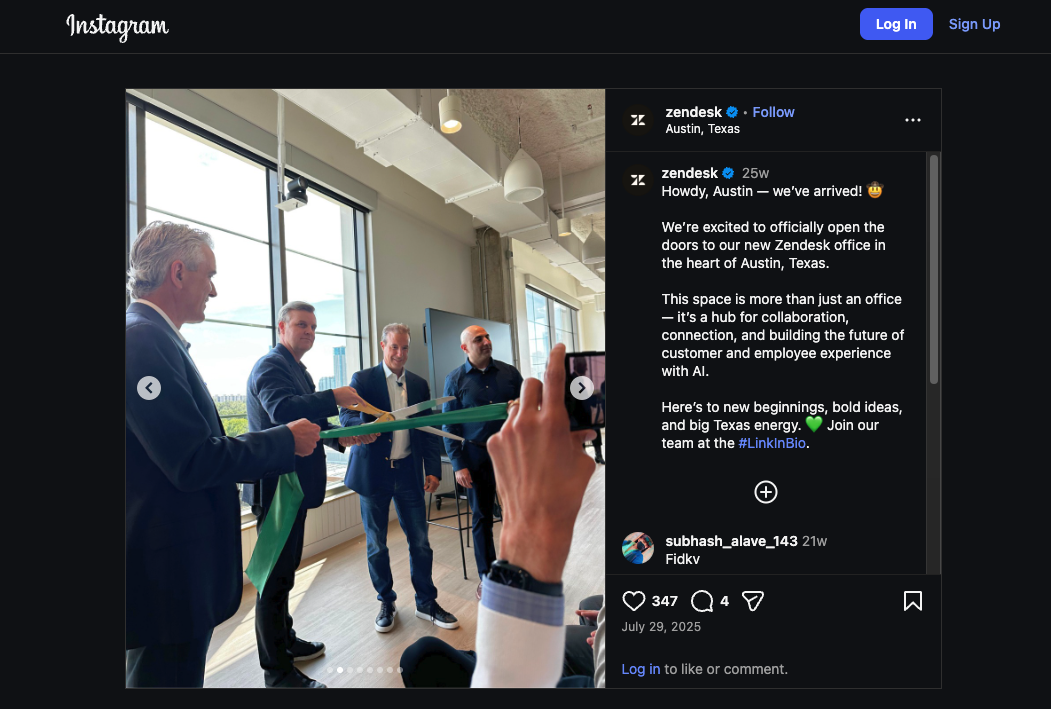
In the above image, you can see that Zendesk, a leading cloud-based customer service, shared on Instagram that it has opened a new office in Texas. This is the type of human-made content people want to see. Sharing both your wins and your failures can make you closer to the customer.
Short-Form Videos
If you are not doing short-form videos in 2026, you are basically invisible. This is the dominant content format across almost every platform. On Reels, TikTok, YouTube Shorts, and even on LinkedIn, you can find short-form videos.
For anyone focused on social media marketing in 2026, this format is essential. According to Statista, in 2026, short-form videos on TikTok will have an average of 5.3% engagement, and Instagram Reels 35% higher than regular videos.
The good thing about these videos is that they don't need to be complicated. All you have to do is pull out your phone, share one tip, tell one story, or just show one interesting thing about your product. Keep it under 60 seconds. Post it. Repeat.
The key is not to overthink it. Some of the best-performing videos are just someone talking directly to the camera about something they know well.
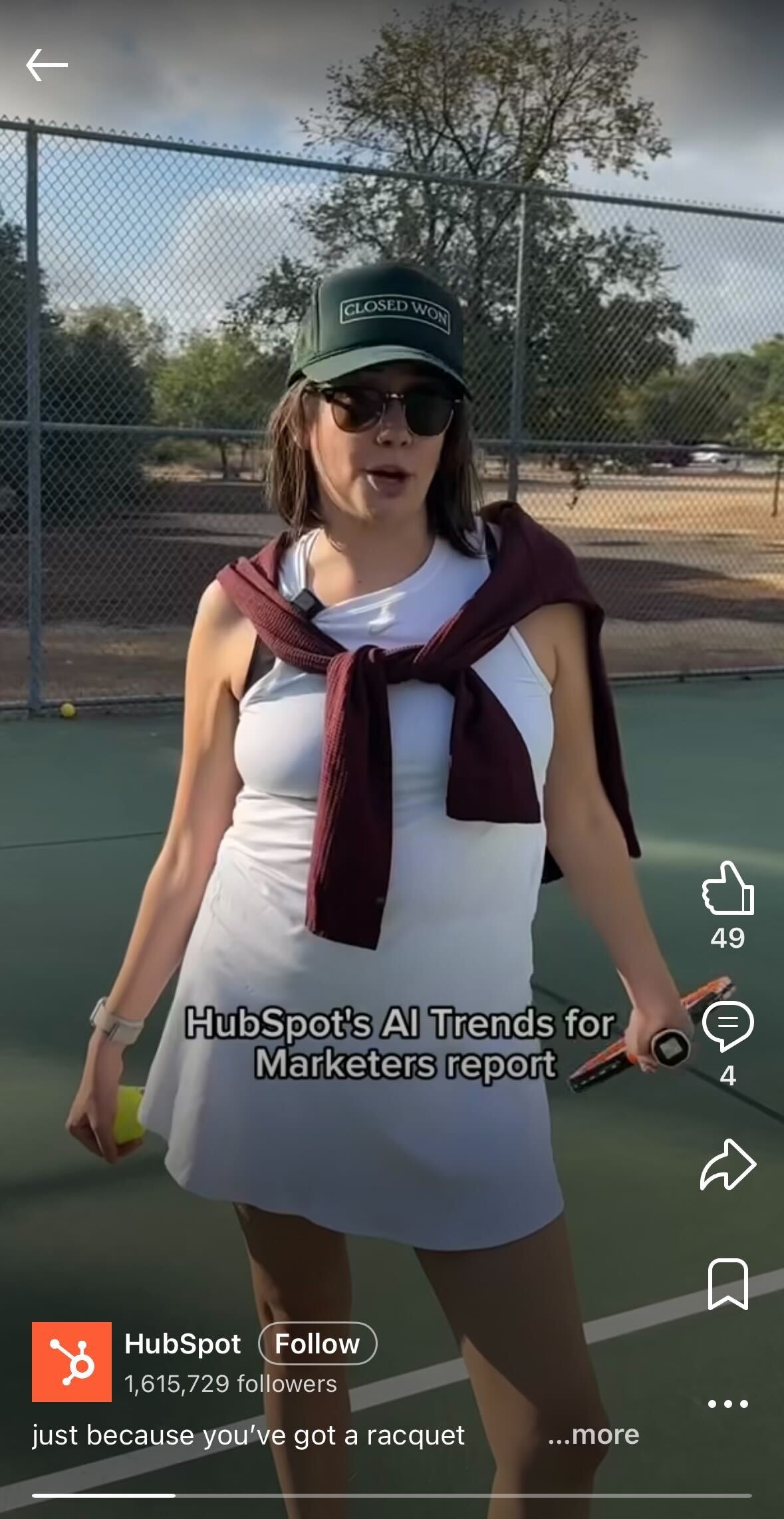
In the example above, you can see a short from HubSpot posted on their LinkedIn. The woman in the video is talking about AI trends for marketers to report while playing tennis. Short, fun, and informative.
Community Over Virality
Chasing a viral moment when you're a startup is pointless. What will actually build a community is a smaller group of people who genuinely care about what you're doing.
For effective social media marketing in 2026, focus on engagement over follower count. Reply to every comment in the first hour after posting. Ask questions, start conversations. Make people feel heard.
Building a community of 1,000 engaged followers who trust you is infinitely more valuable than 100,000 followers who scroll past your content without a second thought.
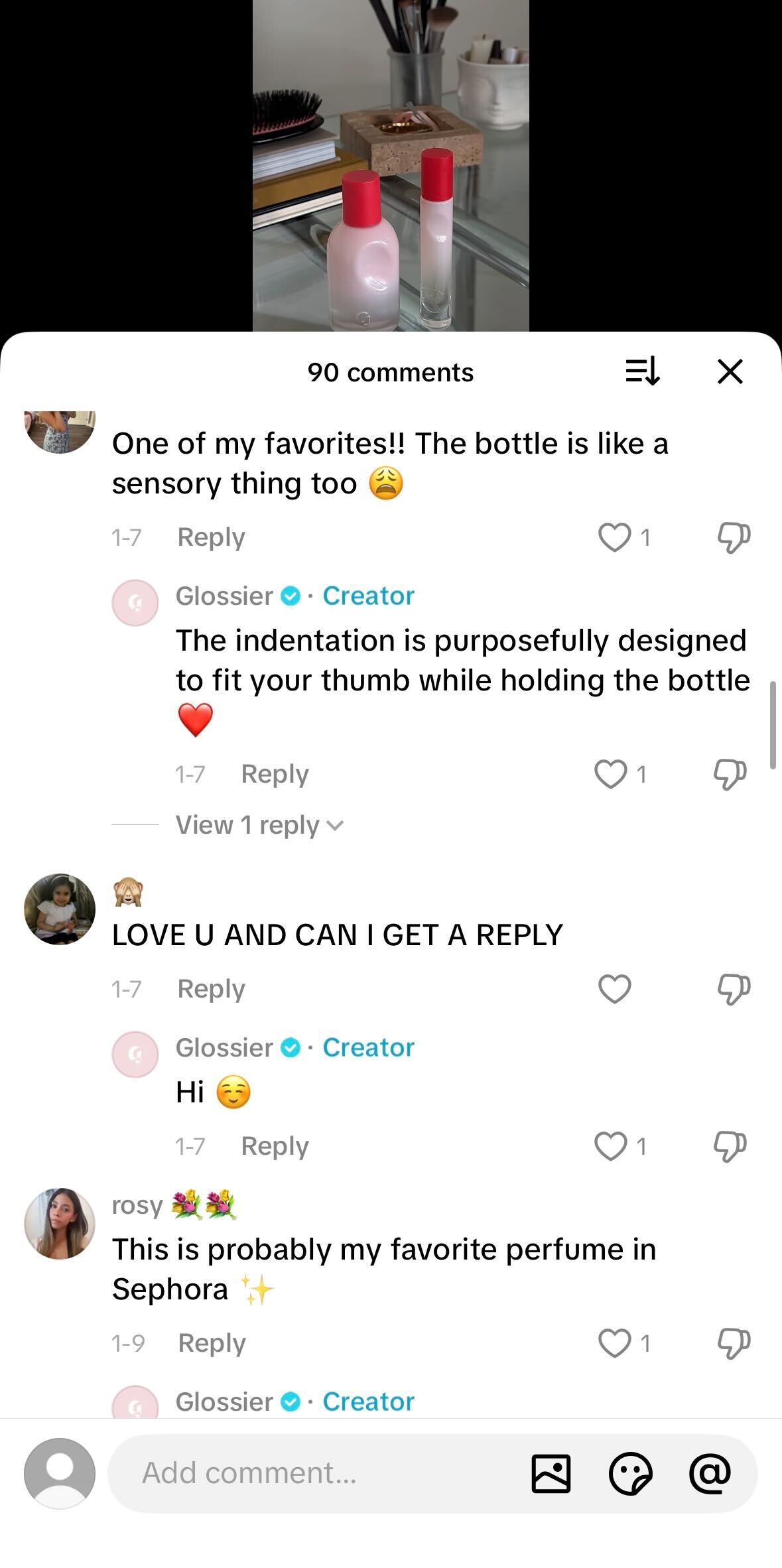
For example, in the screenshot below, you can see how Glossier – a famous makeup brand – has built such a community that its customers just want to get a reply from the page. And the company is very quick to respond to almost all of the comments.
Influencer Marketing
Influencer marketing has matured. In 2026, our goal is not to find one mega-celebrity who will post about you. Rather, find micro-influencers who have around 5,000-50,000 followers and whose audience matches your target customer.
These types of partnerships feel more natural. Find influencers who would actually use your product. Let them create their own content, in their own style. Their audience will know if it's scripted or not.
Also, don't sleep on nano-influencers (under 5,000 followers) or even just regular customers who love your product. These testimonials from real users can beat influencer posts since they are authentic.
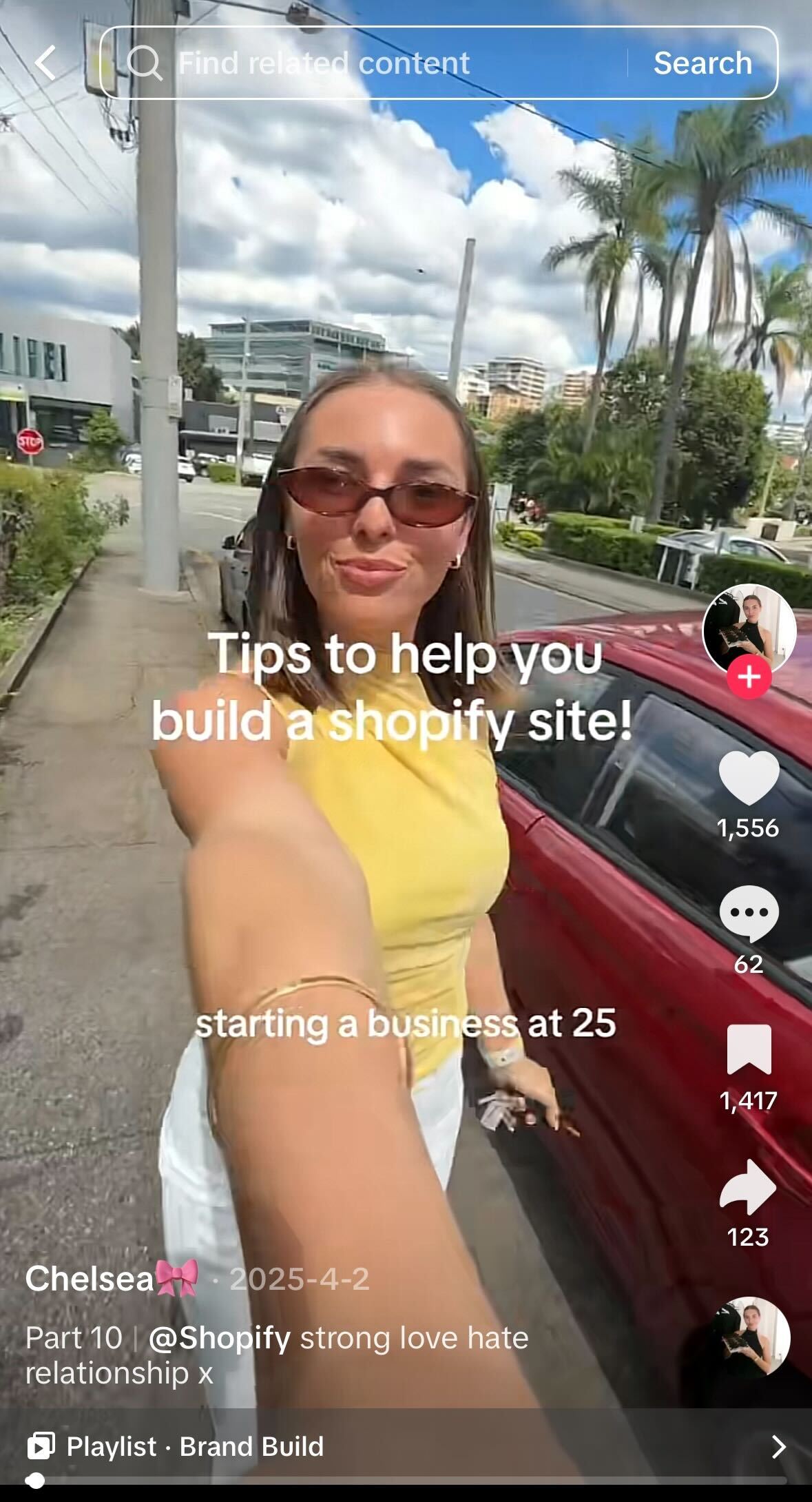
In this example, Shopify has partnered with a micro-influencer who has around 11,5k followers on TikTok. The woman in the video filmed it in her own style that is familiar to her audience while explaining how to build a website with Shopify.
B2B Storytelling Through Creativity
Just be creative! Share customer stories, make memes about your industry's pain points. Create a content strategy that's entertaining and not performative.
People usually follow brands that make them smile or think, even in professional contexts. Basically, stop sounding like a press release and start sounding like actual people.
Let's look at an example of Notion. It is used for internal documentation, project management, and knowledge bases. Its buyers are teams, startups, and organizations.
In the example below, Notion posted a POV (point-of-view) format Instagram reel, using humor that also reflects reality. Let's be real, all of us have zoned out, doodling at least once in our lives during a meeting…
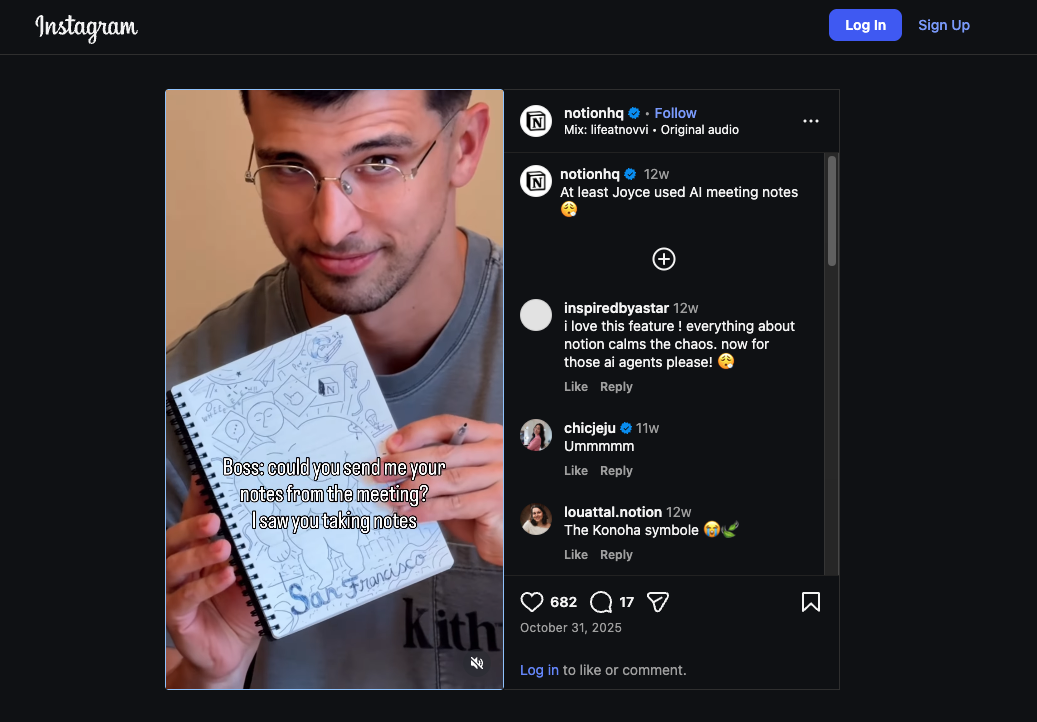
The goal here was not the quantity of people who viewed the video. The goal was to connect with the audience, make them smile or laugh, and eventually engage with the post.
In Short
To wrap it up, you don't need a huge budget for good social media marketing.
Through our work at Kipoff, helping businesses build their social media, we've learned that all you need is consistency and willingness to experiment.
What you should remember moving forward into 2026:
- • Keep your content human; AI can be useful when it's not too much.
- • Create short-form videos showing your product or your company culture. Post these videos on all social media platforms your brand has.
- • Connect with your audience to build a community. 100 or 1,000 followers, it doesn't matter. Answer their questions, make them feel heard.
- • Find micro-influencers who would use your product, and let them create content about your business in their own style.
- • Be one of those businesses that use memes to make their audience smile and share their content among one another.
We will be breaking down more strategies like this in future posts. In the meantime, pick one thing from the list and try it this week!

Rima Hakobyan
SMM Specialist
Zemfira Meloyan
Content Writer
